Language


Natural disasters such as earthquakes and fires can strike without warning, leaving individuals and families vulnerable and unprepared. A 72-hour earthquake survival backpack fire disaster emergency kit is designed to provide critical supplies during the most crucial period after a disaster. This comprehensive guide explores why such a kit is essential, what it should contain, how to choose the right one, and how it can address real-life pain points faced by customers. Whether you live in a high-risk area or simply want peace of mind, this article will help you make informed decisions and stay prepared.
In recent years, the frequency and intensity of natural disasters have increased significantly. Earthquakes, wildfires, and other emergencies can disrupt infrastructure, cut off access to food and water, and delay rescue efforts. Many people underestimate how quickly normal life can be interrupted.
Preparedness is not just about survival—it’s about maintaining control in chaotic situations. Having a well-equipped emergency kit ensures that you and your loved ones have immediate access to essential resources when every second counts.
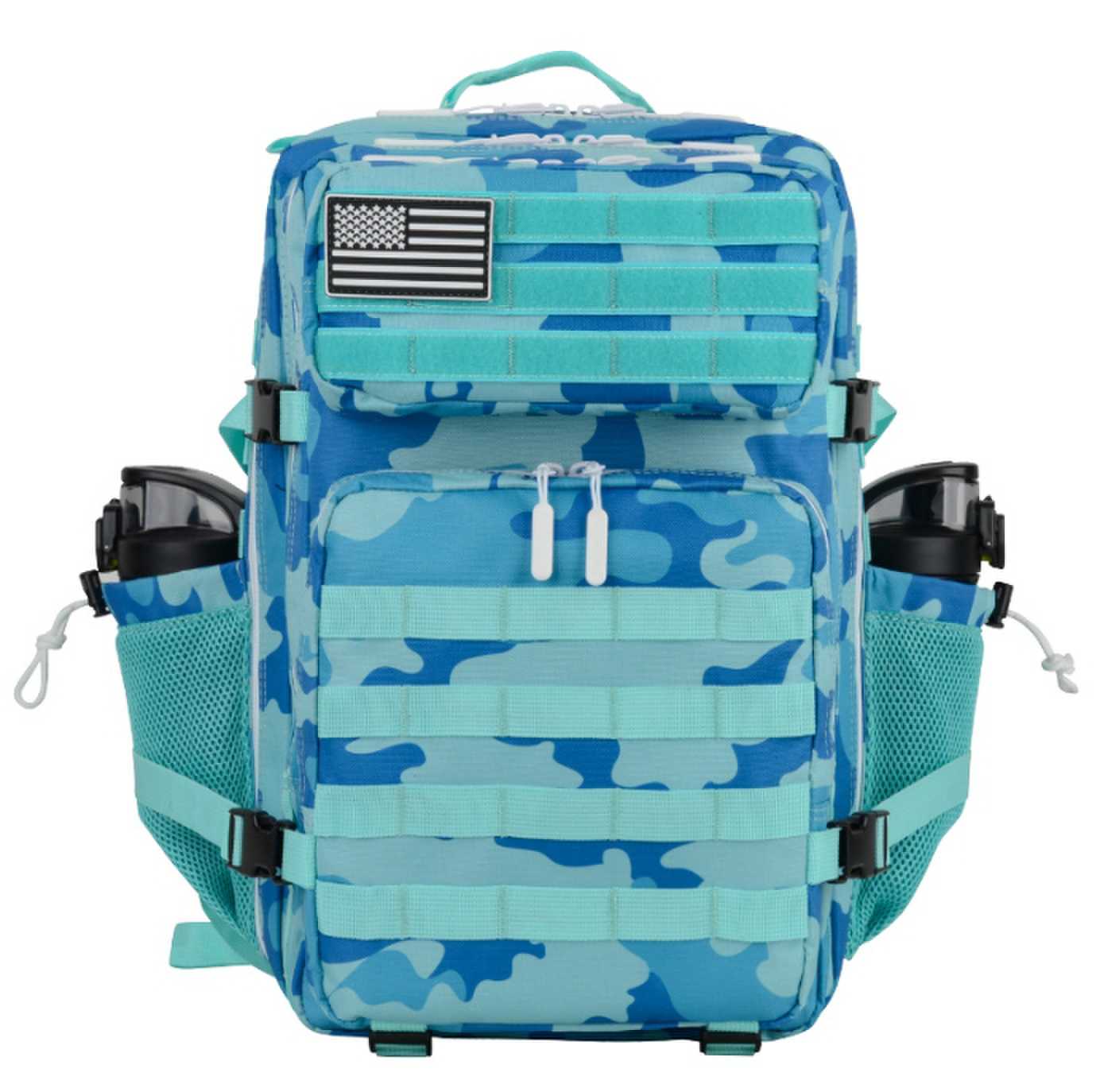
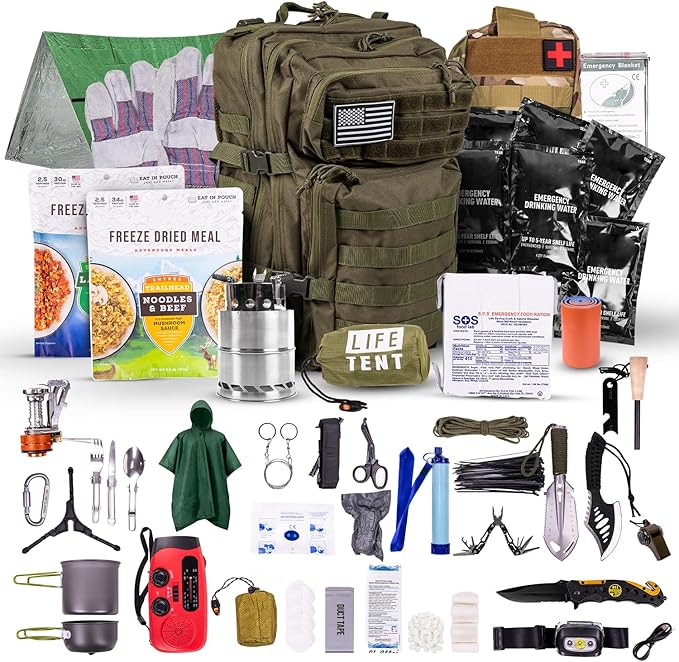
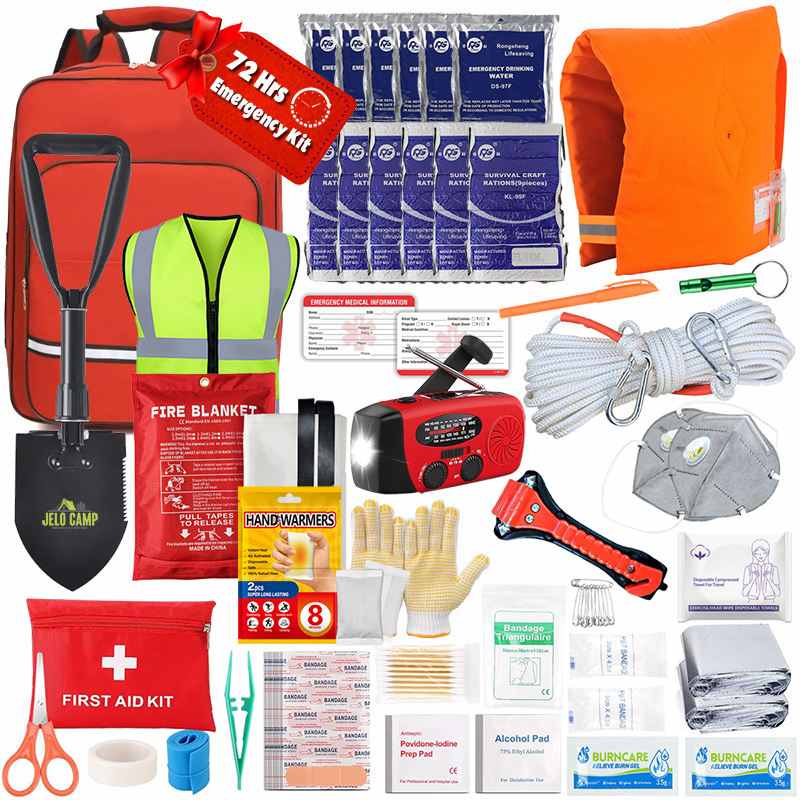
A 72-hour earthquake survival backpack is a portable emergency kit designed to sustain an individual or family for three days following a disaster. It typically includes food, water, medical supplies, tools, and protective equipment.
This type of backpack is specifically engineered for quick evacuation and mobility, allowing users to respond immediately without wasting time gathering supplies.
The first 72 hours after a disaster are often the most critical. Emergency services may be overwhelmed, and access to basic necessities can be severely limited.
During this period, individuals must rely on their own resources. A properly stocked backpack ensures:
Without preparation, even minor challenges can escalate into life-threatening situations.
A well-designed emergency kit should include the following categories:
| Category | Essential Items | Purpose |
|---|---|---|
| Water & Hydration | Water pouches, purification tablets | Prevent dehydration |
| Food Supply | High-calorie emergency rations | Maintain energy levels |
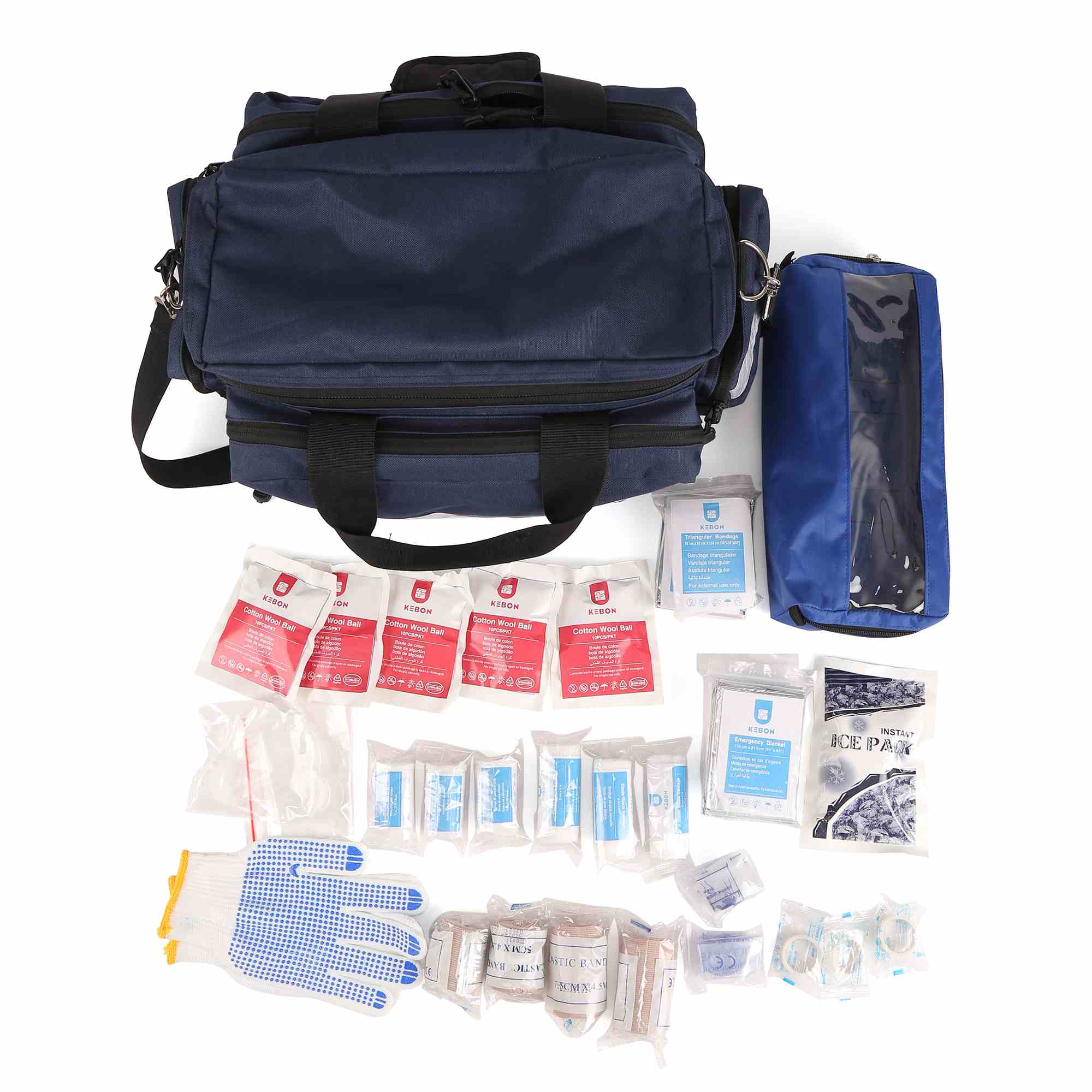
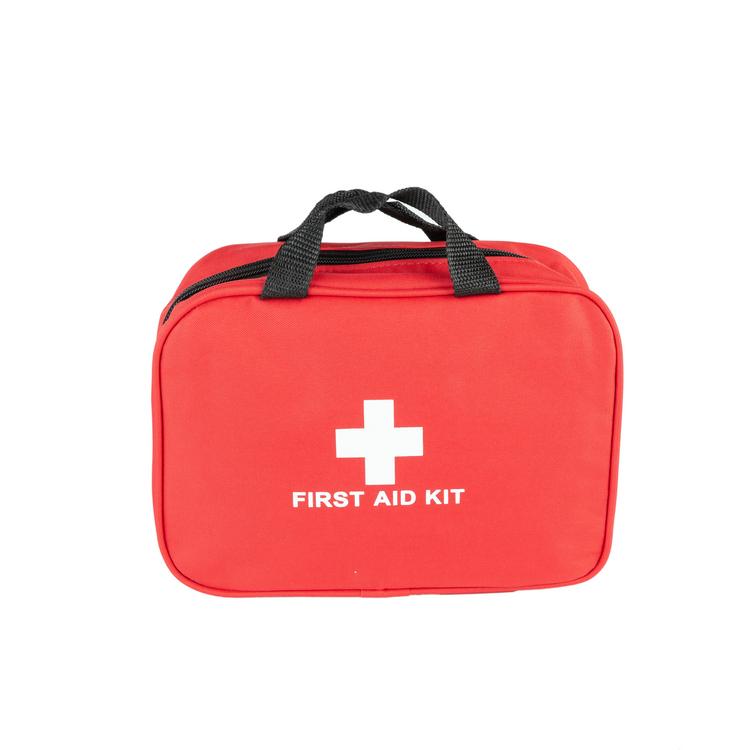
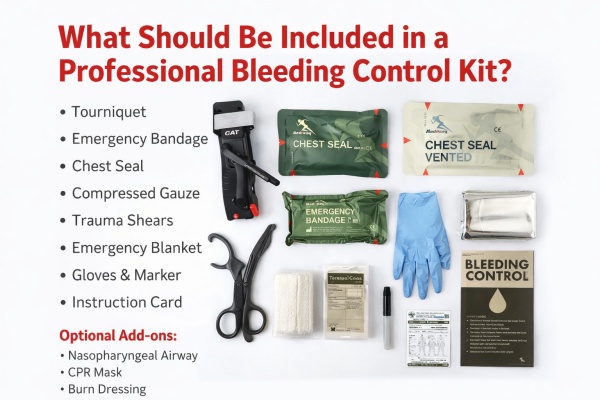
| Medical Supplies | First aid kit, bandages, antiseptics | Treat injuries |
| Tools | Flashlight, multi-tool, whistle | Navigation and signaling |
| Fire Protection | Fire blanket, smoke mask | Escape fire hazards |
| Shelter | Emergency blanket, poncho | Protection from elements |
Fire-specific emergency kits include additional protective gear designed to handle high-temperature environments and smoke exposure.
These additions can significantly increase survival chances during building fires or wildfire evacuations.
Many customers face challenges when choosing or using emergency kits. Here are some of the most common issues:
Pain Point 1: Overwhelming Choices
Solution: Look for pre-assembled kits from trusted manufacturers that clearly list contents and certifications.
Pain Point 2: Poor Quality Items
Solution: Choose kits that use durable, tested materials and meet safety standards.
Pain Point 3: Lack of Portability
Solution: Select ergonomic backpacks with adjustable straps and lightweight construction.
Pain Point 4: Missing Critical Items
Solution: Verify that the kit includes water, food, medical supplies, and fire protection tools.
Companies like Yiwu Kebon Healthcare Co., Ltd. focus on delivering comprehensive and reliable emergency kits that address these concerns effectively.
When selecting a survival backpack, consider the following factors:
A high-quality backpack should strike a balance between functionality and comfort.
| Feature | Basic Kit | Advanced Kit |
|---|---|---|
| Water Supply | Limited | Extended with purification |
| Food Duration | 1–2 days | 3+ days |
| Fire Protection | Minimal | Comprehensive |
| Medical Supplies | Basic | Advanced first aid kit |
| Tools | Standard | Multi-functional tools |
Owning an emergency kit is not enough—it must be properly maintained.
Regular maintenance ensures your kit is always ready when needed.
Consider a family living in an earthquake-prone region. When a sudden quake disrupts power and water supply, their emergency backpack provides immediate access to essentials, allowing them to remain safe until help arrives.
In another scenario, a fire breaks out in an apartment building. A smoke mask and fire blanket enable safe evacuation through hazardous conditions.
These examples highlight the real value of preparedness—not just convenience, but survival.
Q1: How often should I update my emergency kit?
A: It is recommended to review and update your kit every six months.
Q2: Can one backpack support multiple people?
A: Some kits are designed for families, but individual kits are generally more reliable.
Q3: Are pre-packed kits better than DIY kits?
A: Pre-packed kits save time and ensure completeness, especially for beginners.
Q4: What is the most important item in an emergency kit?
A: Water is the most critical element for survival.
Q5: Where should I store my emergency backpack?
A: Keep it in a location that is easy to access, such as near an exit.
A 72 hour earthquake survival backpack fire disaster emergency kit is not just a precaution—it is a necessity in today’s unpredictable world. By investing in a high-quality kit, you are taking a proactive step toward protecting yourself and your loved ones.
If you are looking for reliable and professionally designed emergency kits, Yiwu Kebon Healthcare Co., Ltd. offers solutions tailored to meet diverse needs. Contact us today to learn more about how we can help you stay prepared for any emergency.