First Aid Kit Imports to the US: A Document Matching Checklist
For a first aid kit import project to the United States, the paperwork should describe the actual products and responsible businesses. A company brochure or a document headed “FDA certificate” does not, by itself, establish that the proposed shipment meets applicable requirements.
Start the review before booking transport. Use your importer, customs broker and qualified regulatory adviser to determine the requirements for the specific products and business roles involved.
A: Establish what is being imported
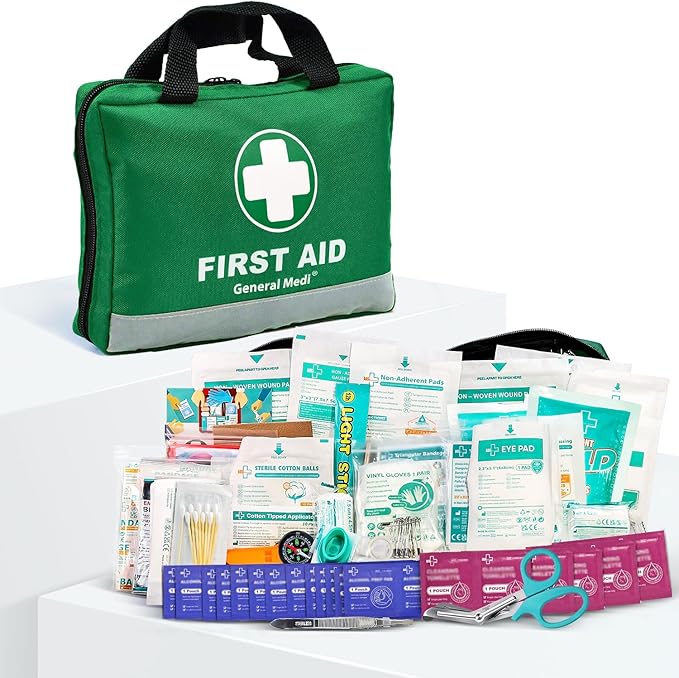
Obtain an itemized contents schedule, product descriptions and intended-use information. Do not assume every item in a mixed kit has the same regulatory status. A case, a dressing and a product containing an active ingredient may require different review.
Ask the responsible reviewer to identify which requirements apply to the kit and its components. If the proposed contents change, check whether the document review needs to change too. A generic checklist cannot determine the classification of every configuration.
B: Match the business names
Record the supplier's contracting name and the relevant manufacturer information. Where different parties manufacture components, assemble the kit or perform other roles, clarify the relationship rather than treating one name as interchangeable with all the others.
Keep the same identifiers in the information supplied to your broker. Ask questions about unexplained name or address differences before dispatch. They may have a legitimate explanation, but the explanation should be documented.
C: Understand registration and listing correctly
FDA states that establishment registration and device listing do not mean approval, clearance or authorization. It also states that it does not issue device registration certificates.
Check applicable information through the official FDA resources and confirm the product relationship, rather than relying on a certificate image or a supplier's marketing phrase. Product-specific requirements may extend beyond registration and listing.
E: Reconcile the shipment documents
FDA's import guidance explains that entry information is checked against its systems and that inaccurate or incomplete information can delay review. Prepare a consistent set of product descriptions, manufacturer details and applicable regulatory information for the parties arranging entry.
As a purchasing control, compare the approved contents schedule, invoice descriptions and packing records. Flag unclear wording or inconsistent identifiers for your broker to resolve. Matching paperwork improves clarity; it does not guarantee admission.
F: Assign ownership of open questions
Maintain a short issue log with the question, responsible party, evidence needed and deadline. Separate a commercial approval, such as a logo layout, from a regulatory determination. Do not mark both complete merely because the sample has been accepted.
Kebon supports customer-selected first aid kit projects. Share your target market and proposed contents through [Kebon's website](https://www.kebonfirstaid.com/) so the available product information can be discussed. Applicable documentation and product scope require confirmation for each project.
We use cookies to offer you a better browsing experience, analyze site traffic and personalize content. By using this site, you agree to our use of cookies. Privacy Policy