Bulk First Aid Kit Orders: A Receiving Inspection Checklist
A receiving inspection for bulk first aid kits should compare the delivery with the approved purchase records. Counting cartons is only the first step. Buyers also need to establish whether the correct configuration arrived, whether packaging is intact and whether discrepancies affect release to customers.
This checklist is a purchasing control, not a substitute for product testing or destination-market compliance review.
1. Prepare the inspection reference before arrival
Keep the purchase order, approved contents list, packaging version and agreed acceptance criteria together. If the order was amended, identify which revision applies to the shipment. An old sample photo should not silently override a later approved change.
Agree the inspection scope with the supplier before shipment. Determine who will perform it, which checks are required and how findings will be handled. There is no universal sampling quantity suitable for every order. Inspection coverage should reflect the product, order agreement and relevant quality requirements.
2. Check identity and quantities first
Record the delivery date, purchase order number, supplier shipment reference and carton identifiers. Compare the packing list with the cartons received. Note shortages and visible transit damage before repacking removes useful evidence.
For the kits selected for inspection, verify the buyer SKU and configuration revision. Distinguish an empty case from a filled kit and a retail unit from an inner pack. Confirm quantities using the units stated in the order.
3. Inspect the product against agreed requirements
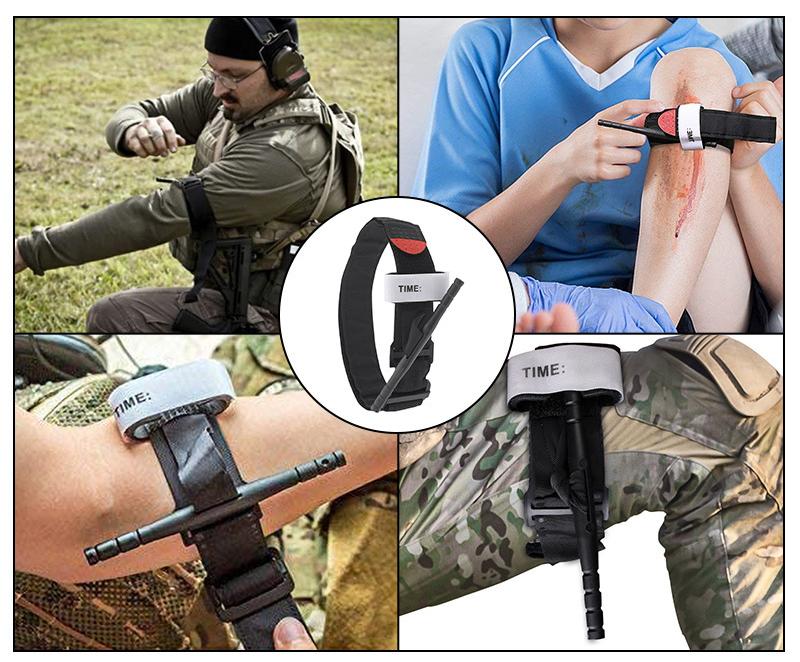
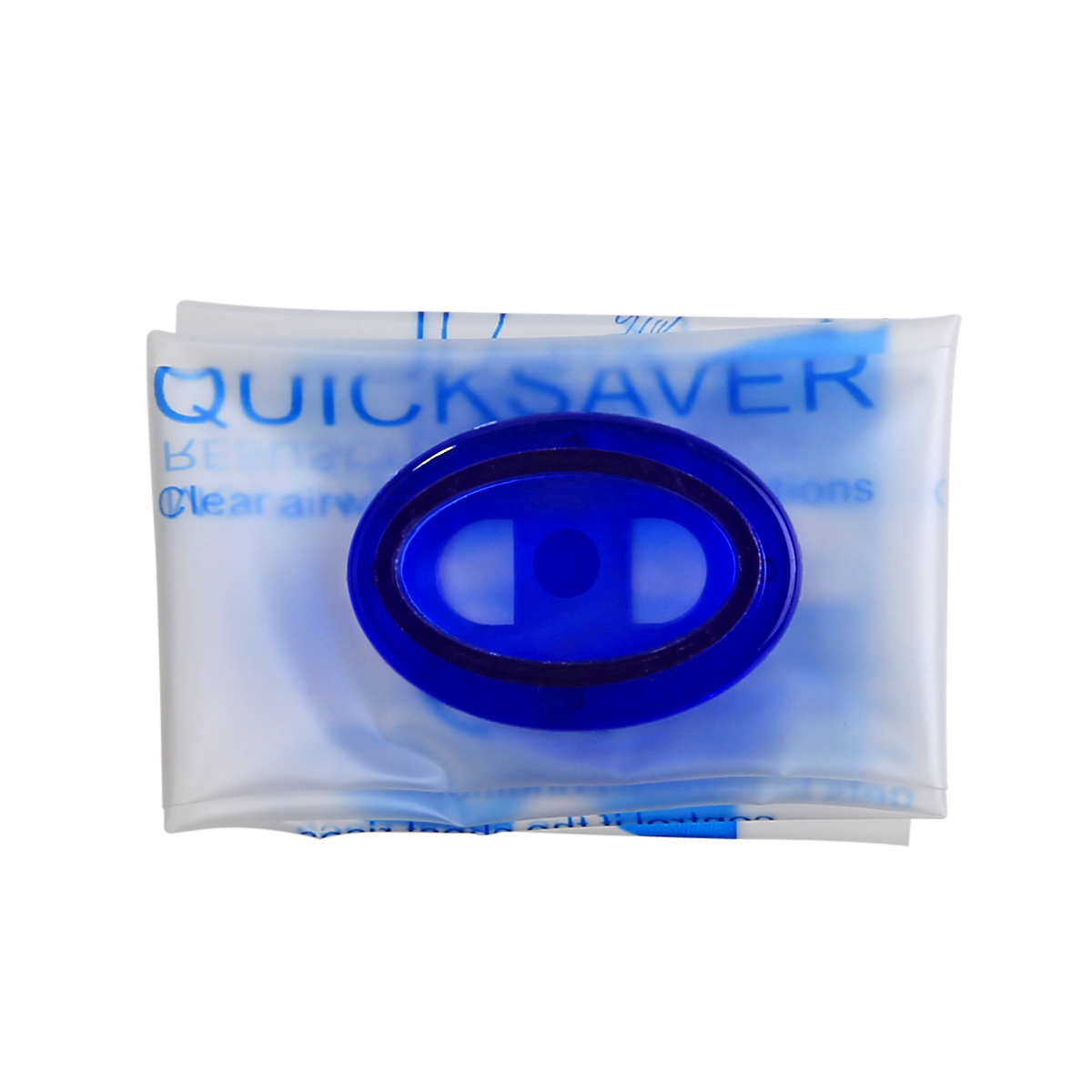
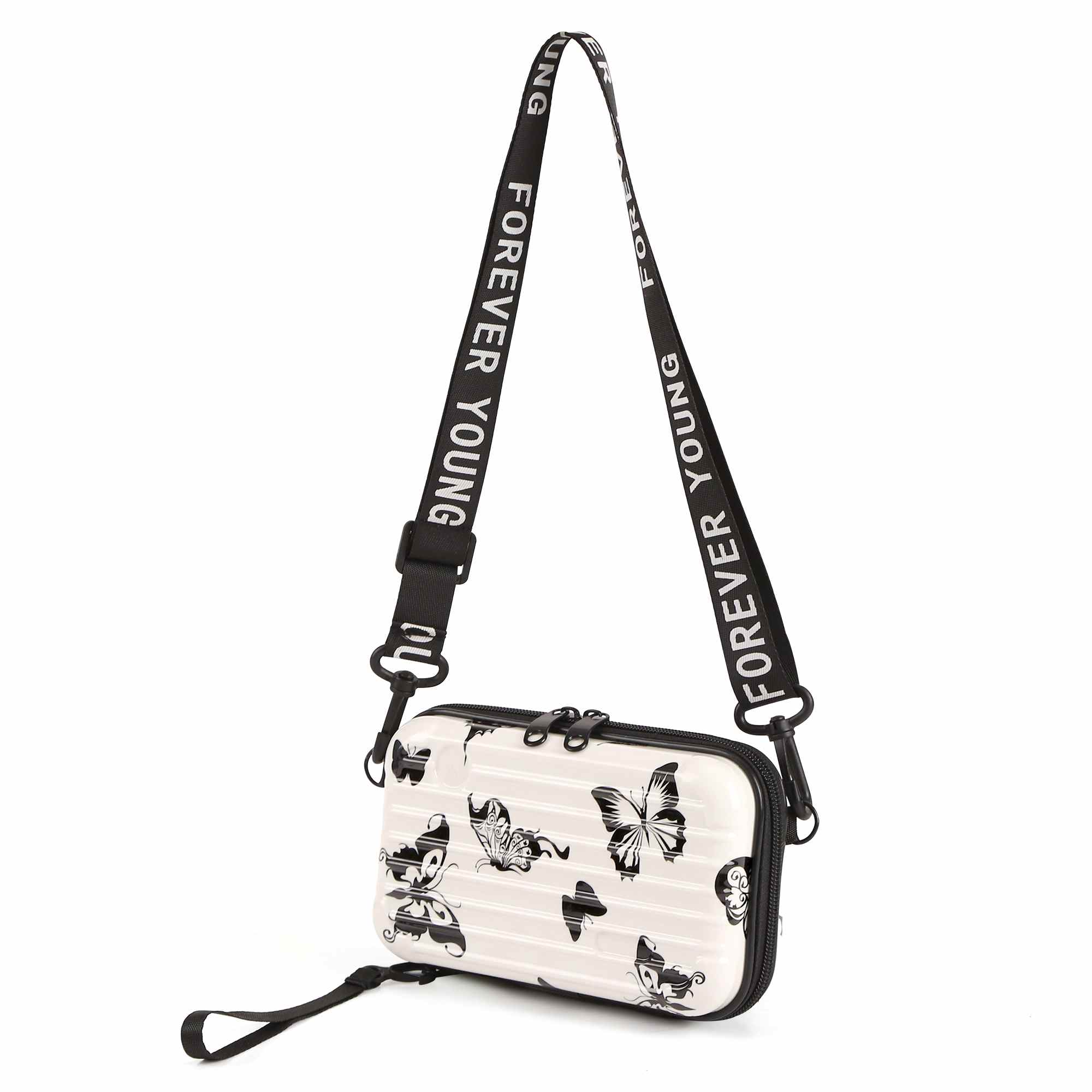
Check the bag or case, closures, organization and approved branding. Compare component descriptions, sizes and quantities with the signed-off schedule. Where relevant, examine date markings, lot identification and individual package condition.
Do not open sterile barriers simply to photograph their contents. If a seal appears damaged or information is missing, separate the affected units and record the issue for assessment. A visual inspection can identify discrepancies; it cannot establish every performance characteristic.
4. Write a discrepancy report that can be acted on
A useful report states the expected requirement, observed condition, affected SKU, quantity checked and quantity found with the issue. Add clear photographs of identifiers and the discrepancy.
For example, “two inspected kits contained the wrong component size compared with revision C” is more actionable than “quality is bad.” Do not assume the entire shipment is affected from a small sample, or assume it is unaffected because some units passed. The responsible quality team should determine the next inspection and disposition steps.
5. Close the issue before releasing affected stock
Agree whether affected stock will be held, rechecked, replaced or otherwise resolved. Record the decision and responsible person. Keep unaffected stock distinguishable where partial release is authorized.
For future orders, turn repeated discrepancies into clearer specifications or inspection points. This creates a documented improvement instead of another email thread describing the same problem.
Kebon works with customer-selected first aid kit configurations. When discussing an order through [Kebon](https://www.kebonfirstaid.com/), provide your receiving checklist and acceptance requirements so their feasibility and scope can be confirmed before production.
We use cookies to offer you a better browsing experience, analyze site traffic and personalize content. By using this site, you agree to our use of cookies. Privacy Policy