A backup first aid kit supplier is useful only when the alternative product and ordering process have been checked. An attractive quotation does not show that a second source can supply the required configuration when the main supplier is unavailable.
Qualification should establish what can be matched, which differences need approval and how the first order will be controlled.
1. Define the reason for adding a supplier
Decide whether the second source is intended for capacity overflow, a new private-label range, a regional project or continuity of supply. These objectives may need different products and commercial arrangements.
Choose the first SKU deliberately. Starting with a clearly documented configuration makes comparisons easier than asking a supplier to reproduce an entire catalog at once. Confirm that you have the right to share any third-party designs or confidential specifications.
2.Create a comparison record
Give the prospective supplier the approved requirements you are authorized to share. Ask it to mark each requirement as matched, different or requiring clarification.
Include component specifications, container dimensions, branding, packaging, order quantities and required documentation. Keep differences visible. A substitute may be acceptable after review, but it should not disappear under the description “equivalent quality.”
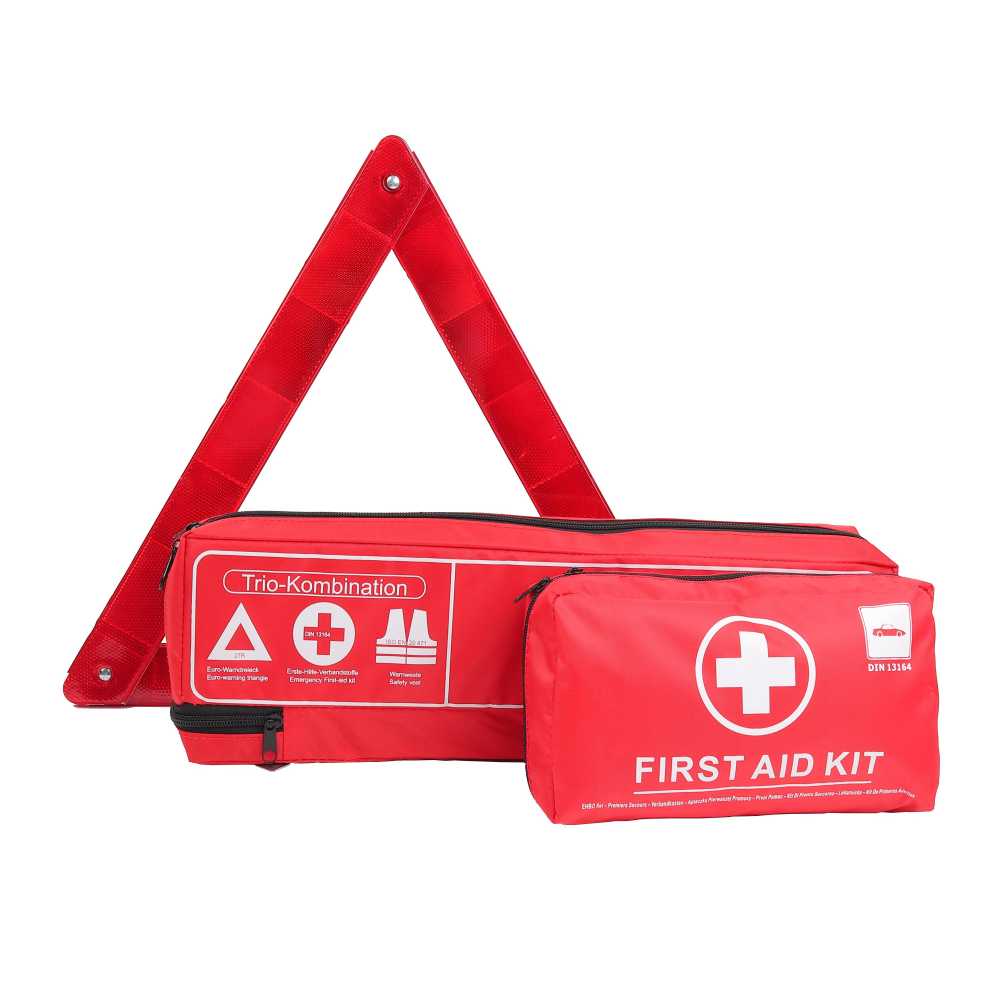
For a hypothetical example, an alternative bag may hold the same contents but use a different pocket layout. That can affect customer instructions or product photography even if the purchase price remains unchanged. Record the commercial impact before approving it.
3. Compare more than unit price
List sample costs, artwork setup, packing requirements, inspection arrangements and transport assumptions separately. Ensure quotations use comparable quantities and delivery terms.
Also ask which materials or processes drive the proposed schedule. A backup source that relies on the same constrained component may not resolve the original supply problem. Treat resilience as something to investigate, rather than a label attached to any second supplier.
4. Use a controlled first order
Agree the sample and document review, acceptance criteria and handling of unresolved questions before placing the first production order. Track how promptly the supplier identifies gaps and whether the delivered product matches the approved version.
Set success criteria before the trial. These might include specification accuracy, completeness of agreed records, packaging conformity and performance against the confirmed schedule. Avoid declaring a supplier qualified solely because a sample arrived quickly.
5. Keep the backup arrangement current
An approved supplier can become less useful if the buyer's product changes but the second-source specification does not. Review the backup file after material configuration changes and before placing an urgent order.
Confirm current pricing, capacity and lead time when needed. Do not assume an old quotation reserves stock or production space. The buying team should know which requirements are approved and which still need review.
Kebon, based in Fotang, Yiwu, produces first aid kits to customer-selected configurations and supports private-label discussions. To explore a second-source project, send the target configuration, destination market, estimated quantity and required timing through [Kebon](https://www.kebonfirstaid.com/). Matching options, order quantities and lead times are confirmed for the individual project.
We use cookies to offer you a better browsing experience, analyze site traffic and personalize content. By using this site, you agree to our use of cookies. Privacy Policy