Language


First Aid Kit Refills: A Procurement Guide for Distributors
A first aid kit refill order should start with the kits already in use. Buying a generic assortment can leave customers with the wrong sizes, quantities or packaging, even when the total piece count looks correct. For distributors, the purchasing question is how to restore an approved kit accurately and make the next replenishment easier.
1. Identify the kit before quoting the refill
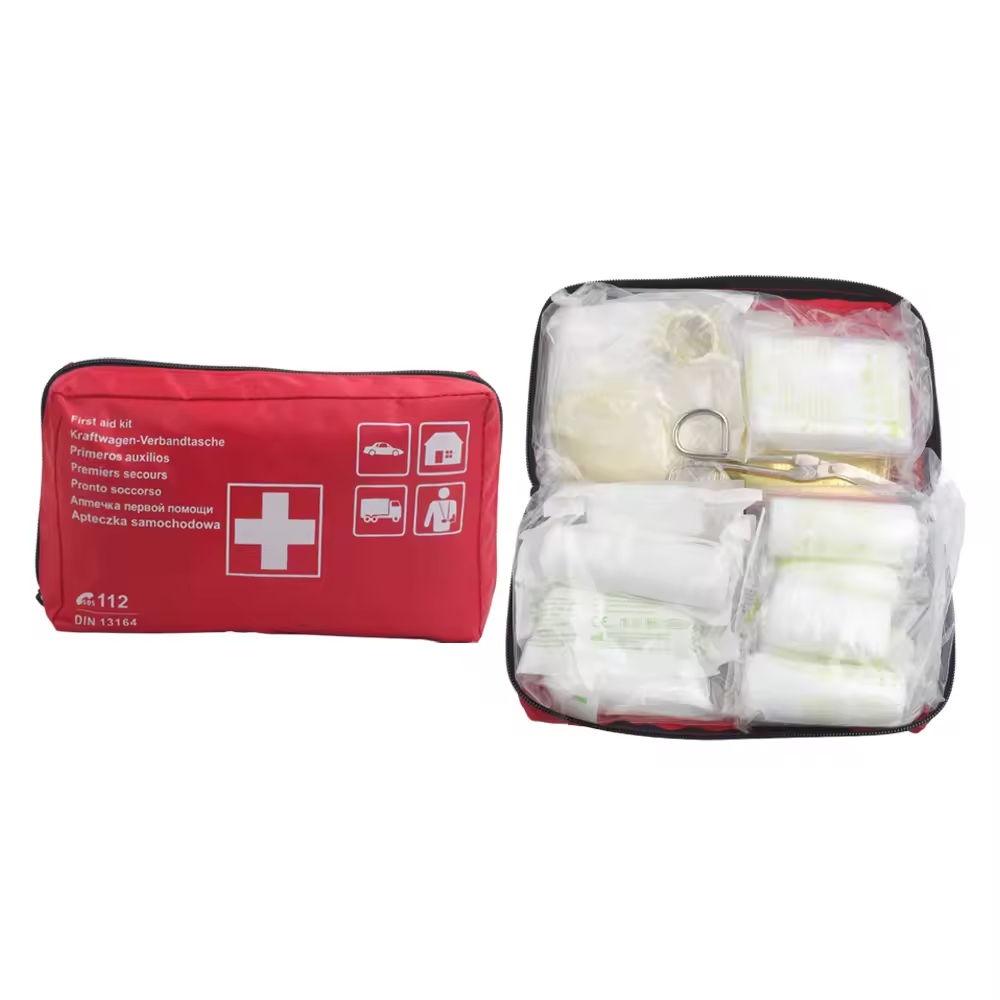
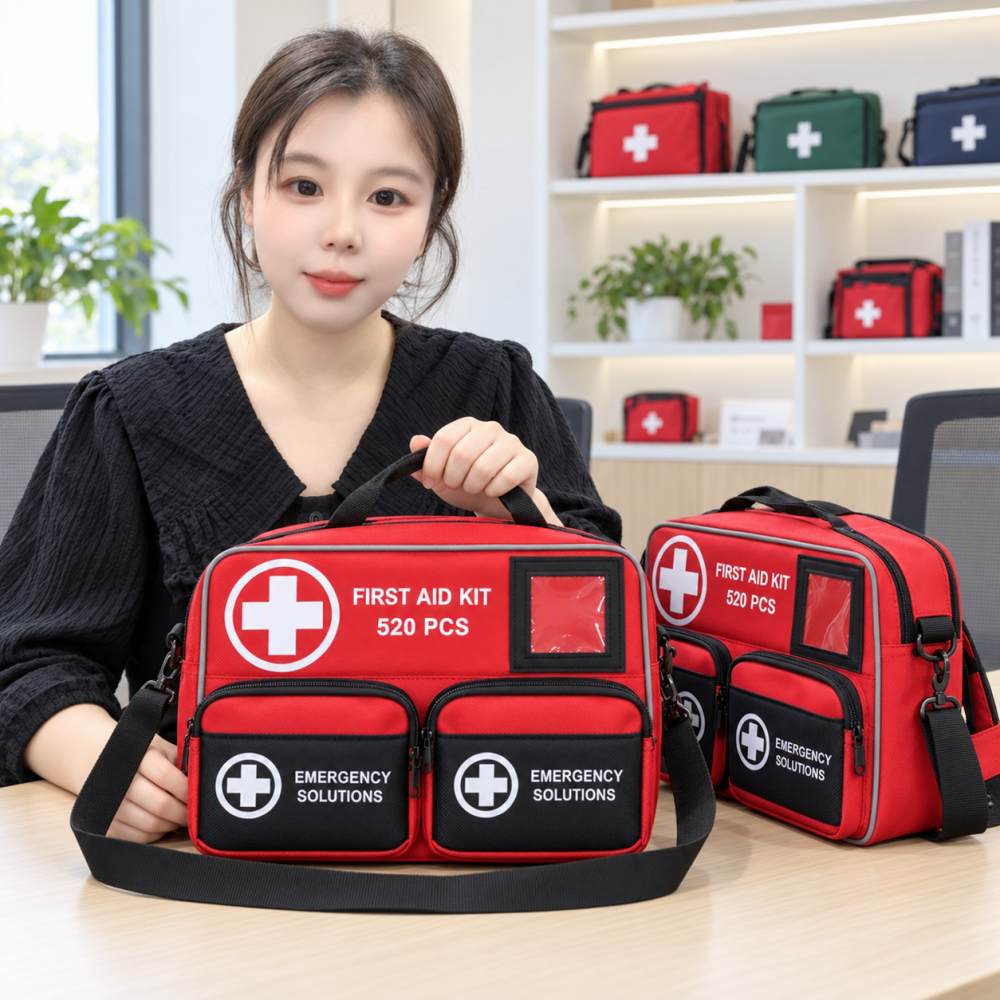
Ask the customer for the kit code, contents schedule and any revision information. A photograph helps identify the container, but it may not show component dimensions or individual packaging. Record the installed kit version separately from the name printed on the bag.
For example, two customers may both describe a product as a “workplace first aid kit,” while their approved contents differ. Treat them as separate refill requirements until the specifications have been compared. This is a purchasing example, not a recommended medical configuration.
2. Choose a refill format that matches the order pattern
There are three useful formats to discuss with a supplier:
- A full replacement contents pack for a known kit version.
- A smaller module for a defined group of supplies.
- Individual components ordered against actual shortages.
A full pack simplifies ordering but may duplicate unused items. Individual components offer more control but create more picking lines. Modules sit between these approaches, provided their contents and compatibility are clearly documented. Ask the supplier which formats are available for the actual project; do not assume every original kit has a matching refill.
3.Build a compatibility record
For each refill line, record the buyer item code, component specification, required quantity per kit, supplier pack size and compatible kit versions. Include dimensions where fit matters. A dressing with the same general name may occupy a different compartment or have a different specification.
Keep purchasing units explicit. “Ten gloves” and “ten pairs of gloves” are different quantities. Likewise, a carton quantity is not the number of items inside one refill pack. These distinctions should appear in both the quotation and receiving checklist.
4. Connect replenishment to real stock checks
HSE guidance for workplaces in Great Britain calls for frequent contents checks and prompt restocking after use. Buyers serving other markets should confirm the relevant local requirements. The commercial lesson is to make replenishment easy to identify and order, without replacing the customer's safety assessment.
Ask customers to report missing, damaged and used supplies against their own approved inventory. Separate routine replenishment demand from one-off replacement orders so an unusually large purchase does not become the next forecast by default.
5. What to send with a refill inquiry
Provide the original kit schedule, number of kits in service, quantities required, destination market and preferred refill format. Include the container dimensions if the refill must fit a particular layout. Ask for confirmation of component availability, packaging and order quantities before advertising a refill under your own brand.
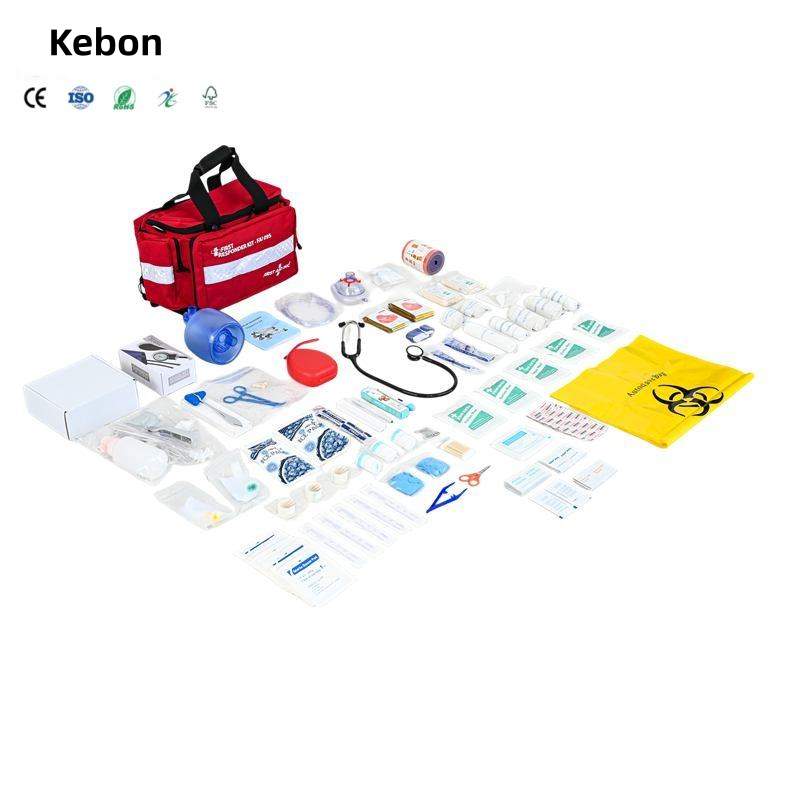
Kebon produces first aid kits to customer-selected configurations. Contact [Kebon](https://www.kebonfirstaid.com/) with your existing contents schedule to discuss whether a matching refill project can be supported. Availability and commercial terms need confirmation for the specific components and quantities.